
Nathalie FAYETTE
December 9, 2022
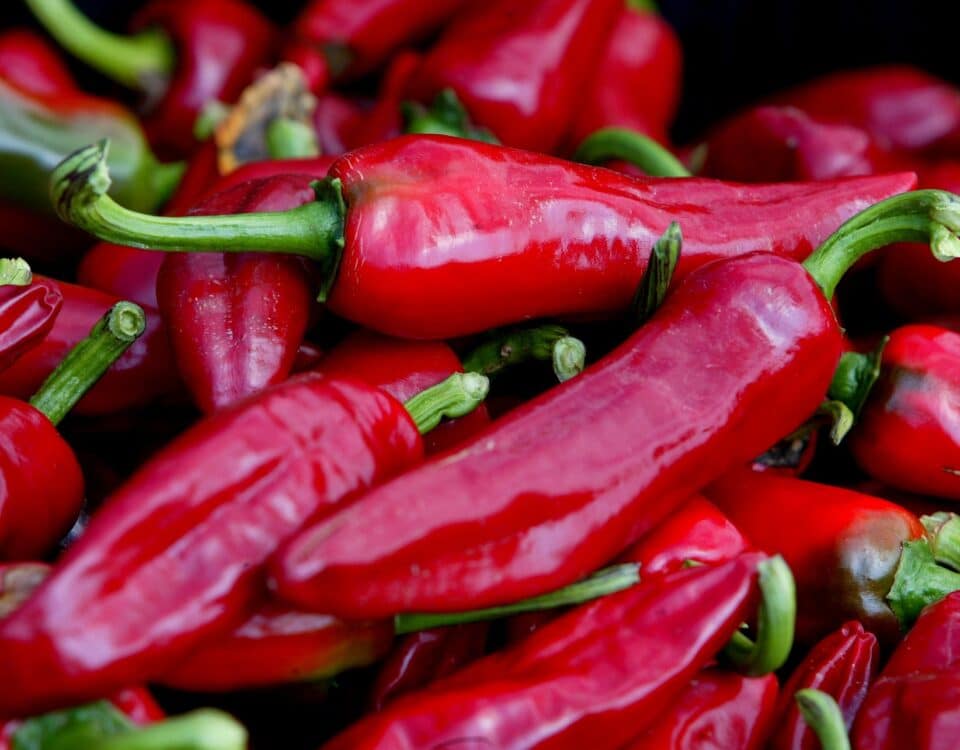
When you hear in a conversation about intellectual property and global warming, you think you don’t see the connection. And yet, the link between the two subjects does exist and the latter can have a strong impact on the former. The most obvious example is the summer we just had, an exceptionally hot summer that caused a long drought that continued into the fall. This had an impact on the quantity and quality of fruit and vegetables produced, and this is where intellectual property comes in. Indeed, many of our fruits and vegetables and other regional specialties benefit from protected […]
November 25, 2022

Selective distribution is a distribution strategy in which the supplier gives the right to a limited number of “authorized” distributors or resellers to sell its goods or services. This distribution strategy is often practiced by luxury brands owners who choose their authorized distributors with care and precision in order to preserve the brand’s luxury market and image. Contrary to what one might think at first glance, selective distribution is not an anti-competitive measure in the sense of competition law. In fact, it is a type of distribution that allows to preserve and even increase the intrinsic qualities of the goods, […]
November 18, 2022

Registering IP rights with Russian customs to block infringing goods before they enter the country is a very useful provision of Russian legislation against parallel imports; however, some Russian legislators have recently decided otherwise, in reaction to external sanctions due to the current conflict with Ukraine. In order to avoid shortages, the Russian government has decided to accept parallel imports of certain goods without the authorization of their IP rights holders (provided that these products have already been marketed abroad). Thus, a wide range of goods (more or less essential) can be imported into Russia outside the official distribution channels: […]
November 14, 2022
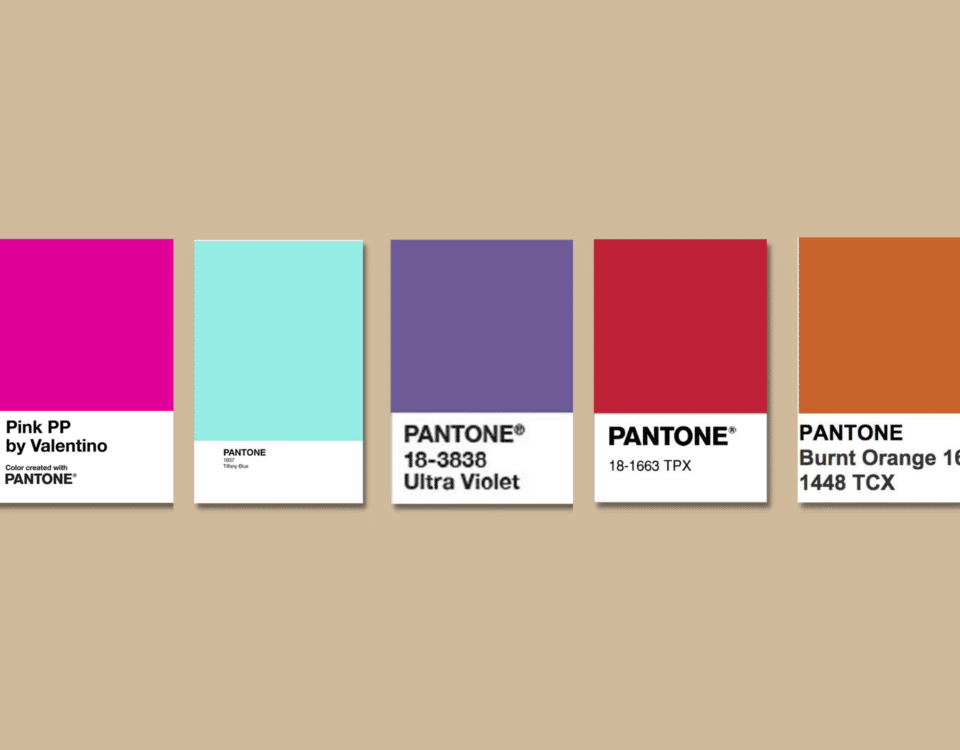



The adoption of color as a source indicator is becoming more and more evident for companies, especially in the fashion and luxury sectors where color generally contributes to the success of a brand, a symbol of prestige. Indeed, colors play an essential role in the identity of companies, since they have a lasting impact on consumers who will spontaneously associate certain colors with a particular company. Tiffany & Co, Hermès, Christian Louboutin or Milka are good examples, as they are widely recognized by the public through their emblematic colors, and on which they have a trademark right. The same goes […]