When “Dupes” Sneak Under the Christmas Tree
Trademark Filing and Greenwashing: How to Avoid the Pitfalls of Environmental Claims
November 20, 2025
MARK & LAW team wishes you all the best for 2026!
December 22, 2025
During this festive season of sales and promotions, many products are offered on the market at slashed prices. But behind the sparkling packaging lies a growing phenomenon that is pushing brands to be increasingly vigilant: “dupes.” These products, inspired by or copied from best-sellers—affordable and trendy—are winning over more and more consumers.
What Is a “Dupe”?
The word dupe comes from the English duplicate. It refers to a product inspired by or copied from another that is fashionable and trending on social media, but sold at a lower price.
In essence, a dupe allows consumers to obtain a supposedly equivalent product at a lower cost than the original. The creator of a dupe draws inspiration from or copies a reference product while avoiding potential intellectual property rights protecting the brand, shape, or ornamental features of the original item. They can thus capitalize on the image of a flagship product, sometimes even applying their own brand to it.
While perfumes and cosmetics are particularly affected, dupes now appear in numerous sectors. Luxury brands are the most exposed, but smaller businesses are not spared.
Although not all dupes necessarily constitute counterfeiting, this does not prevent companies from challenging copies through other legal avenues.
A Few Words About This Practice
Initially appearing in perfume comparisons on social media and heavily promoted by influencers, dupes have become a genuine phenomenon.
According to a study conducted in March 2025 by C-Ways for the Fédération des Entreprises de la Beauté (FEBEA), 31% of French people—nearly one in three—purchased at least one dupe in the past twelve months.
To illustrate this trend, here is a brief overview of telling examples across different sectors:
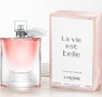
- Perfumes: Lancôme’s La Vie est Belle and Figenzi’s Amazing Life:

- Food: Kellogg’s Coco Pops and Aldi’s Choco Rice:


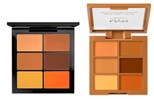
- Cosmetics: MAC’s concealer and corrector palette and NYX’s correcting palette:
What Are the Dangers of Dupes?
Despite their harmless appearance, dupes raise several issues.
Economically, they are a source of concern and contribute to a decline in innovation. Poor-quality copies harm the image and revenue of the brands that inspire them.
Environmentally, dupes fuel the fast-fashion phenomenon and encourage overconsumption, generating large amounts of waste.
In terms of health, many dupes bypass European tests and standards. These products may contain toxic ingredients and undeclared allergens, putting consumers at risk.
Ethically, the dupe market tends to support child labor and fund human exploitation, with harsh working conditions in factories that fail to comply with safety, hygiene, and labor regulations.
How Can Companies Protect Their IP Rights Against Dupes?
Dupes are not impossible to fight, and several measures can be taken to defend against the practice.
First, brands can register and protect packaging, shapes, or ornamental elements through intellectual property rights (Designs). For original products, copyright protection may also be applicable.
Even though dupes are not always actionable on grounds of counterfeiting, they may still trigger civil liability based on unfair competition and/or parasitism if their creators or distributors take undue advantage of the reputation or investments of the reference product.
Finally, technologies such as RFID chips can be used to allow consumers to verify product authenticity.
Recent case law sheds light on how courts assess products described as dupes.
In the judgment of 16 October 2025, La Rosée v. Caudalie, the court refused to find unfair competition, holding that the similarities between the sun sticks fell within common aesthetic codes of the sector, insufficient to establish wrongdoing. The imitation therefore remained within the realm of lawful inspiration.
Conversely, in the Jonak v. Chanel case, judges held that reproducing the iconic features of Chanel’s ballet flats demonstrated an intention to position the product in the wake of the fashion house. The imitation was therefore parasitic, as it exploited the economic value of the original model.
These two decisions show that whether a product qualifies as a “dupe” depends primarily on the distinctiveness of the copied elements and on evidence of an intent to benefit from a competitor’s reputation—factors that define the boundary between legitimate inspiration and wrongful imitation.
Dupes raise a central question for intellectual property law: how far can inspiration go before crossing the legal line? Their presence on the market underscores the importance of innovation and the need for strong legal protection of investments through intellectual property rights.
– Julie DREVET, legal intern at Mark & Law